
Resources
Bullying, Cyberbullying, Self-Harm & Suicide
-

Bullying
Bullying is unwanted, aggressive behavior that involves a real or perceived power imbalance. The behavior is repeated over time and can take many forms.
-
Cyberbullying
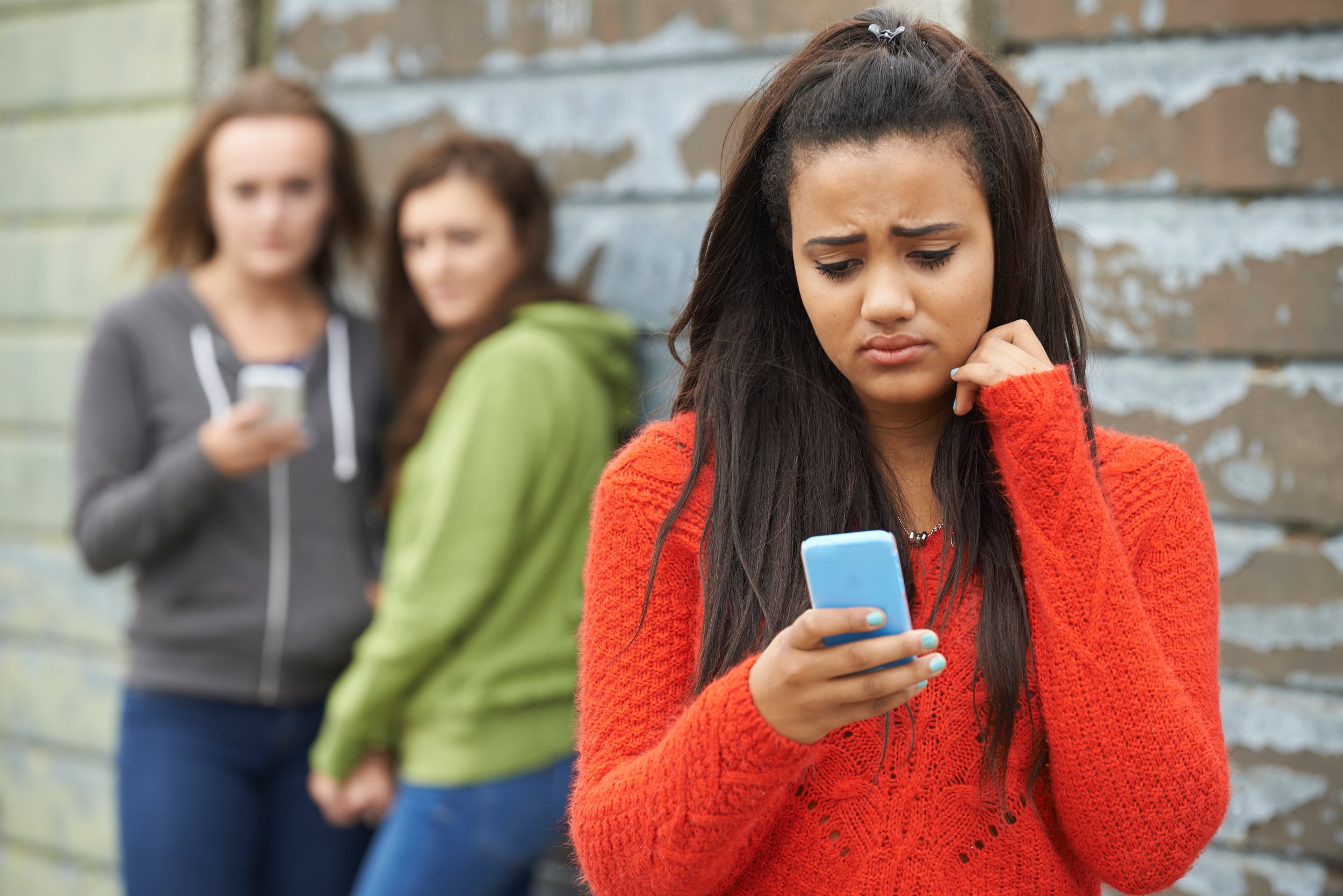
Cyberbullying is willful and repeated bullying using digital communication or posting designed to hurt, threaten, embarrass, annoy, blackmail, or target another person.
-
Self Harm
Self-harm, or self-injury, is physically intentionally hurting oneself without suicidal intentions. It is a sign of emotional distress that should be taken seriously.
-

Suicide
Suicide is the reaction of extremely intense feelings of loneliness, worthlessness, hopelessness, or depression, which involves voluntarily taking one's own life
Bullying & Cyberbullying Laws
Below you can view a list of the current bullying and cyberbullying legislation. You can also locate your state's bullying and cyberbullying laws at stopbullying.gov

An overview of state anti-bullying legislation and other related laws by Sacco, Silbaugh, Casey, and Doherty (2012). Learn More
State Anti-Bullying Legislation Overview

MO Education Laws
Missouri Schools General Provisions Section 160.775: Every district shall adopt an anti-bullying policy by September 1, 2007. Learn More

Cyberbullying Laws
A regularly updated Laws, Policies & Regulations webpage by Stopbullying.gov provides a brief overview and link to each state's cyberbullying laws. Learn More

A regularly updated fact sheet by the Cyberbullying Research Center provides a brief overview and link to each state's sexting laws. Learn More
Sexting Laws
Statistics
Featured statistics for each category can be viewed below, or click the button for a PDF list of all available statistics.

Bullying
22% of middle and high school students report being bullied each year.
(National Center for Education Statistics [NCES], 2022)
Bullied students indicate that bullying has a negative effect on how they feel about themselves (22%), their relationships with friends and family (15%), their school work (17%), and physical health (9%)
(National Center for Education Statistics, [NCEs], 2022)
Students who are bullied are nearly twice as likely to report symptoms of anxiety (29.8 %) or depression (28.5 %) compared to their non-bullied peers
Cyberbullying
In 2023, about 26.5% of U.S. students reported they had experienced cyber-bullying in the previous 30 days
Approximately 80% of youth reported encountering hate speech via social media in the past month
(Office for the Study of Hate, 2024)
53% of teens who have been cyber-bullied say that elected officials are doing a poor job addressing online bullying
Sexting
23% of teens had received sexually explicit images, which has increased from 18% in 2016.
1 in 5 (20%) U.S. teens have experienced sexual extortion; overall, 24% said it happened to them while under 18
27 states had specific juvenile sexting laws; others rely on child-pornography/exploitation statutes. Penalties in sexting-law states range from diversion/education for first-time youth to fines, misdemeanors/felonies or short-term detention

Self-Harm
About 21% of students reported attempting to harm themselves in a deliberate, but not suicidal, way
Females (27%) were much more likely than males to report self-harm (14%).
“Digital Self-Harm” is considered anonymous online posting or sharing of hurtful content about oneself. About 9% of students have digitally self-harmed
Suicide
Youth who experienced cyberbullying had 1.7× higher odds of suicidality (ideation or attempts); youth who perpetrated offline peer aggression had 1.5× higher odds
Suicide was the 2nd leading cause of death among individuals between 10 and 34 years of age
In 2021, children grades 9-12 reported 22% seriously considered suicide, 18% made a plan, and 10% attempted in the prior 12 months
Mental Health
Nearly 20% of children and young people ages 3-17 in the United States have a mental, emotional, developmental, or behavioral disorder
About 9% of youth are estimated to require help with emotional problems but studies find that an estimated 70% to 80% of children with mental health disorders go without care
Rates of depression, self-harm, and suicide among U.S. adolescents have climbed over the past decade—especially for girls (e.g., teen girls reporting persistent sadness rose from 35% in 2011 to 57% in 2021; suicide-related measures also worsened for girls)

Approximately 1 in 5 children and youth in the U.S. experience a serious mental health concern associated with trauma, social isolation, and bullying, yet only 20% of them receive the help they need
Immediate Crisis Hotlines
If you or someone you know is in suicidal crisis or emotional distress, call the 988 Suicide & Crisis Lifeline at 9-8-8, a free 24-hour hotline. In the case of a life-threatening emergency, call 9-1-1 or visit your nearest emergency room. Below is an additional list of crisis resources.